How Wayli works — and why it’s built differently.
It’s designed as a system — where discovery, planning and connection support each other naturally, without forcing a fixed workflow.
People travel differently.
Wayli adapts to that.
Some travelers start with inspiration.
Others open Wayli with a trip already in mind.
Many return after a journey to organize memories or expenses.
Wayli works before, during and after travel — without requiring users to follow a single path.
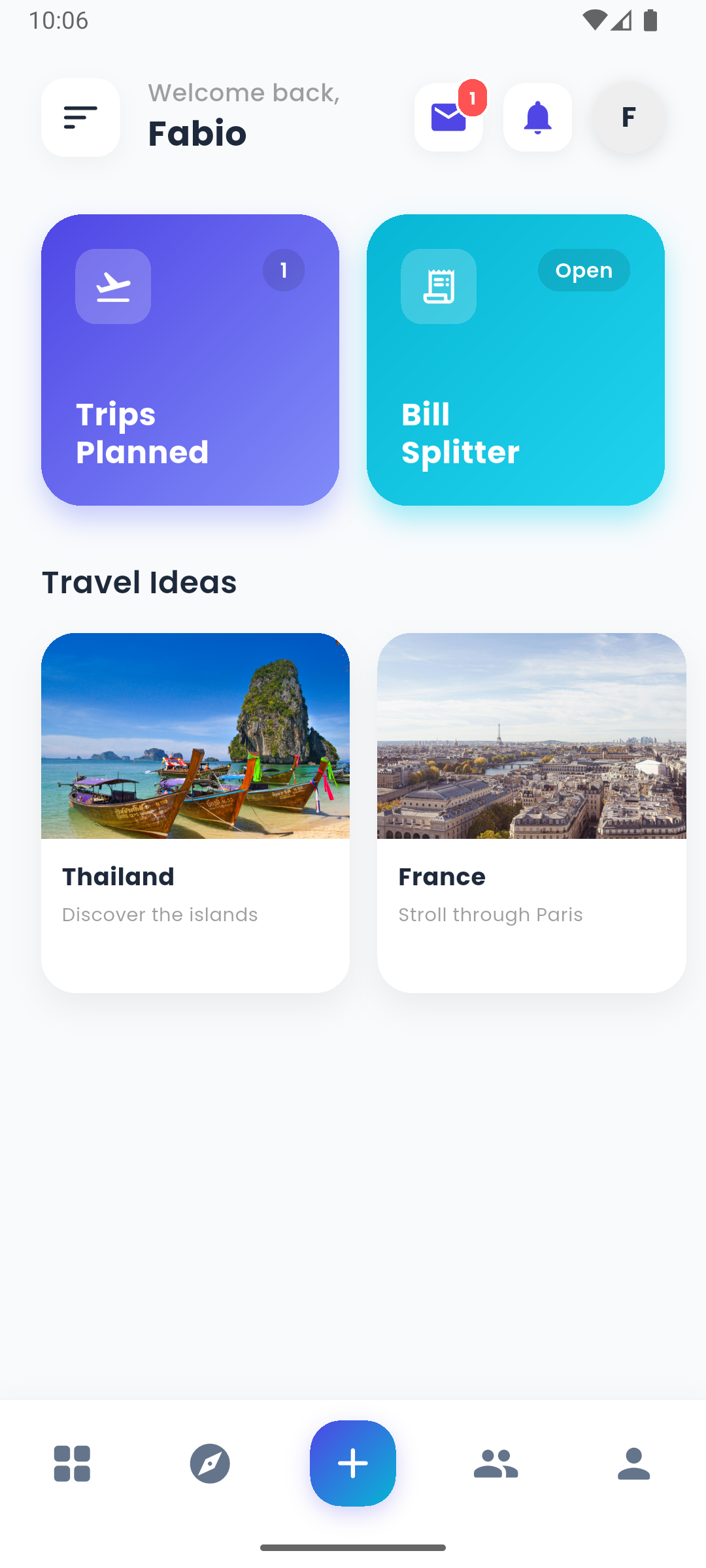
Wayli helps you discover places through people — not noise.
Save destinations, ideas and recommendations in a structured way, so inspiration doesn’t disappear when planning begins.
Discovery stays connected to action.
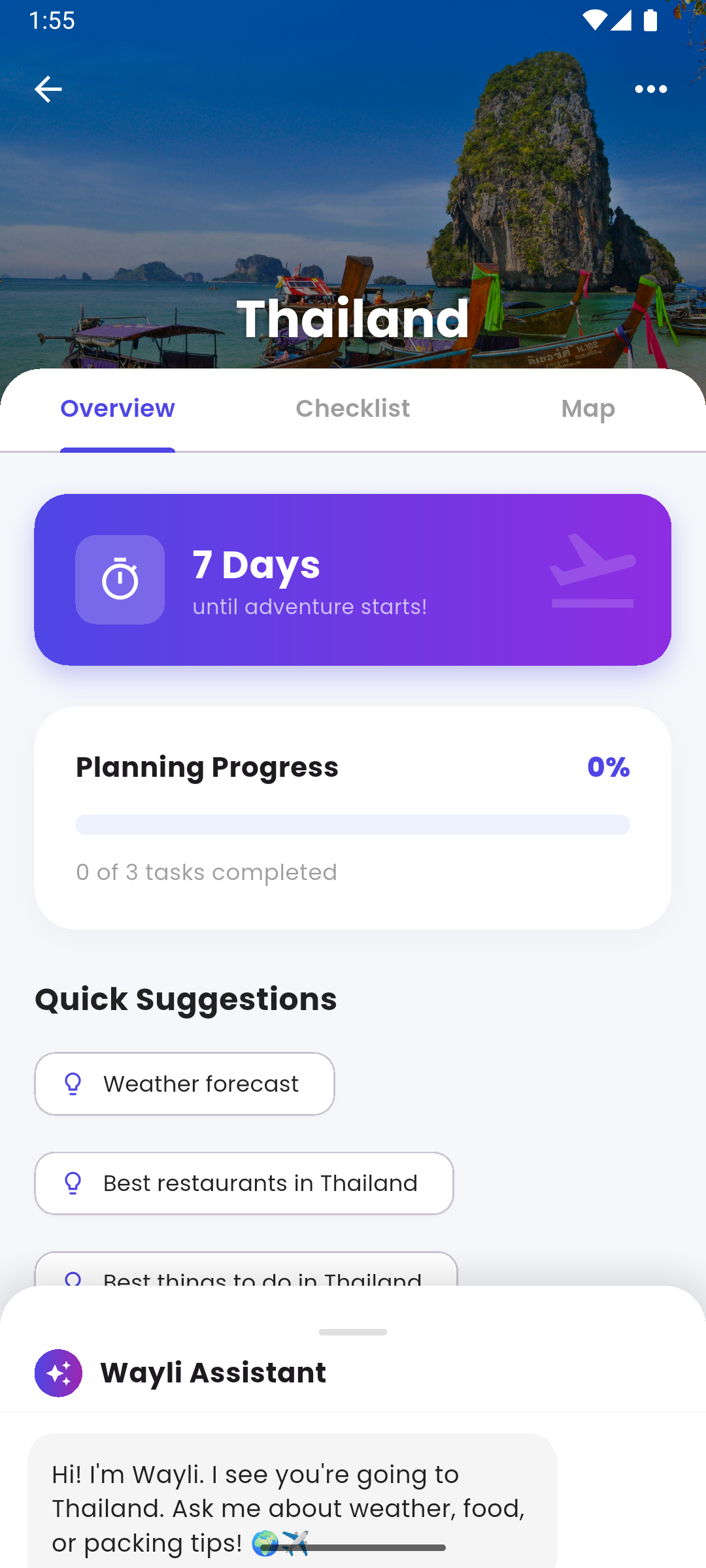
Turn inspiration into a structured trip.
From routes and places to notes and to-dos, everything stays organized — even as plans evolve.
The focus is not control, but clarity.
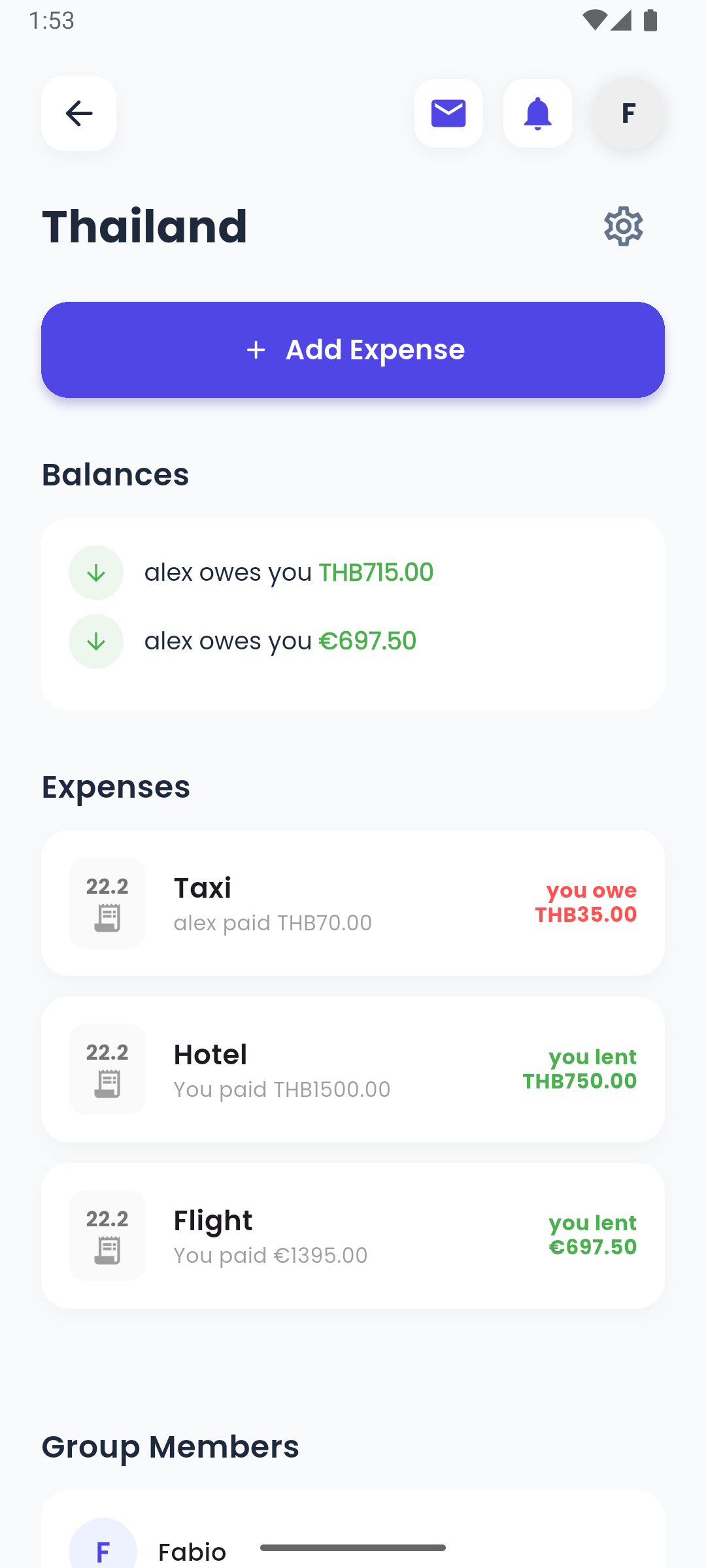
Track costs and split expenses transparently — so money never becomes friction during the trip.
Wayli enables connection around travel — finding like-minded people, chatting when needed, and staying connected beyond a single trip.
Social features support the journey — without turning Wayli into another social network.
Each part of Wayli works independently — but becomes more powerful when combined.
This system-level approach reduces fragmentation, simplifies decisions and keeps the experience coherent as the product grows.
Wayli starts with inspiration, planning and connection — but it doesn’t stop there.
Over time, relevant services can be integrated naturally into the journey, only when they add real value.
The goal is not to offer everything at once, but to create a connected travel experience that stays calm, intentional and easy to use.
Wayli is currently in late-stage development and preparing for its public launch in early 2026.
The core experience is built and refined, with future extensions planned based on real usage — not feature pressure.